
Protective coating for corrosion control is a project with several connected decisions: what the asset needs, what condition the substrate is in, which system is suitable and how the work will be accepted. Failures can occur when each participant assumes that another party owns one of these decisions. A structured scope makes those responsibilities visible before material is ordered or preparation begins.
This guide focuses on coordinating an industrial coating project rather than comparing chemistry alone. GOLDTEC can help review product options such as RUST GRIP and ENAMO GRIP. The framework below helps owners, maintenance teams, engineering and procurement use the same information when requesting recommendations and evaluating proposals.
Define the asset and the business objective
Identify the assets included in the project and explain why the work is needed now. The trigger may be planned refurbishment, repeated local failure, a change in exposure or an opportunity during a shutdown. Record the consequence of taking the asset out of service and the access available during the work. These conditions influence the feasible scope and programme.
Define the protection objective in terms that can be reviewed. A project to restore a damaged finish may have a different scope from one addressing corrosion across a structural assembly. State the required service environment and any mandatory acceptance requirements. Avoid relying on a general phrase such as long-lasting protection without identifying the conditions and responsibilities that give it meaning.
Create a survey that supports work packages
Divide the site into areas with similar substrate, condition and exposure. Record exceptions rather than averaging them away. A sheltered steel frame, a washdown area and hot pipework may all be part of one plant but need different treatment. Photographs and location references help the team connect each proposed system to the correct area.
Distinguish surface protection work from substrate integrity issues. Corrosion that has reduced thickness or affected connections needs appropriate engineering assessment. A coating proposal should identify such areas and state whether repair is included or managed separately. This prevents a surface treatment contract from being mistaken for confirmation that all affected equipment or structures are suitable for continued service.

Assign responsibilities before requesting quotations
List who supplies service data, approves the substrate, recommends the system, applies it and performs inspection. Clarify who resolves uncertainty about old coatings and who approves compatibility trials where needed. If several contractors are involved, define the handover between preparation, repair and coating. An unsigned assumption at these interfaces can become a significant problem once work is underway.
The supplier's technical information, the applicator's procedure and the owner's acceptance plan should refer to the same system. If a participant proposes a change, record the reason and obtain the relevant approval before it is implemented. This is especially important when access limitations or weather make the original method difficult. A practical change may be possible, but it should not silently alter the protection requirement.
Select products as components of a complete system
For corrosion encapsulation and metal protection, RUST GRIP can be considered with the required preparation and service assessment. It is a single-component urethane coating. Its suitability should be evaluated using current manufacturer information and the condition of the actual substrate. Do not describe encapsulation as permission to coat loose contamination or structurally damaged metal without preparation and repair.
ENAMO GRIP is a two-component polyurethane finish that may serve a different role in a specified system. Where a finish is proposed above another protective layer, confirm compatibility and recoating requirements. Write the selected products, sequence and inspection requirements into the scope. This allows the team to distinguish an approved system from a list of individually familiar materials.

RUST GRIP®
A single-component urethane coating for corrosion encapsulation and metal protection. Surface preparation and system selection remain essential.
Explore product and specifications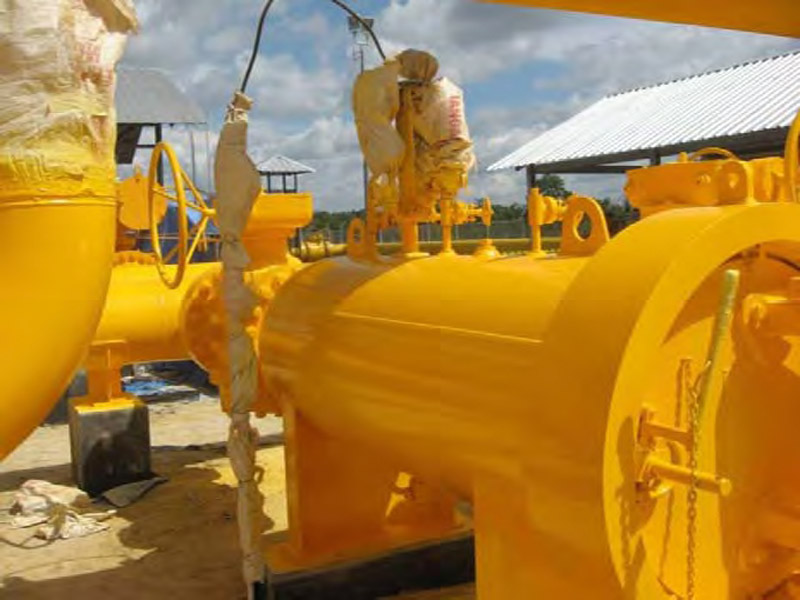
ENAMO GRIP®
A two-component polyurethane finish for industrial protective systems. Confirm substrate and layer compatibility against the intended service.
Explore product and specificationsSet inspection points before surfaces are hidden
Inspection is most useful when it occurs at stages where a problem can still be corrected. Agree the acceptance of substrate preparation before the first layer. Define checks between layers where the system requires them and state how final work is assessed. The plan should identify the responsible person and what evidence is needed to release each stage.
Record findings and repairs using location references. If a surface fails a check, define how it is corrected and reinspected. A final photograph of a uniform colour does not replace the records of preparation and intermediate work. Equally, avoid demanding tests that are unsuitable for the material or geometry. Inspection methods should answer the actual requirements of the selected system.
Manage changes and unforeseen conditions
Existing assets often reveal conditions that were not visible during the initial survey. Additional corrosion, incompatible layers or inaccessible details may require a scope change. Establish how these discoveries are documented and assessed. Pause the affected stage where necessary rather than covering the issue and leaving the decision for the handover meeting.
Keep commercial and technical decisions connected. A revised preparation method may change cost, time and system suitability. A product substitution may affect more than price. Use a simple change record showing the affected area, proposed action, technical basis and approval. This gives the owner an accurate account of the installed system and helps prevent later confusion about what was actually agreed.
Make handover useful for the maintenance team
The handover should identify treated areas, approved products, application records, inspection results and outstanding limitations. Include local repairs and deviations that were accepted. Organize the information so a maintenance engineer can find the system used on a particular asset without reconstructing the entire project from purchasing records and photographs.
Agree inspection priorities for vulnerable details such as edges, supports, joints and mechanically exposed areas. Provide the relevant cleaning and repair guidance. If a later process change introduces a new chemical or temperature condition, review compatibility before assuming the existing coating remains suitable. Corrosion control continues through operation, and the handover record is the foundation for informed maintenance decisions.
Request a proposal with clear boundaries
When contacting GOLDTEC, send the asset list, service conditions, survey photographs and existing coating information. Include the shutdown programme, access constraints and inspection requirements. State whether you need material selection for an agreed system or help examining candidate products for a broader refurbishment scope. Identify which engineering and application responsibilities are already assigned.
Use the enquiry form to discuss RUST GRIP, ENAMO GRIP and the protection requirement. Ask proposals to state assumptions, exclusions and the next verification needed. A coordinated project scope makes technical recommendations actionable, helps procurement compare equivalent work and leaves the maintenance team with records that support the asset after the coating work is completed.
Frequently asked questions
Who should approve a protective coating system?
Approval responsibilities should be assigned within the project. The owner defines service requirements, qualified engineering personnel address substrate integrity, the proposed system is checked against manufacturer information, and the applicator follows the agreed procedure. Avoid leaving approval implicit between several parties.
What is a coating inspection hold point?
It is an agreed stage at which work is checked before proceeding, such as acceptance of the prepared substrate or confirmation of a layer before it is covered. The exact checks and authority to release the stage belong in the project inspection plan.
Can one product solve every corrosion problem on a site?
Different substrates, temperatures, exposures and access conditions may need different systems. A site survey can group similar areas while identifying exceptions. Select the product for the actual service rather than applying a single general recommendation everywhere.
How do RUST GRIP and ENAMO GRIP differ?
RUST GRIP is a single-component urethane coating considered for corrosion encapsulation and protection. ENAMO GRIP is a two-component polyurethane finish. Their roles and any combination must be defined within a compatible system and current technical guidance.
What should be kept after coating work is completed?
Keep the approved specification, material identification, application records, inspection results, repair locations and maintenance instructions. Link these records to the treated areas so future inspections and local repairs can identify the actual installed system.
Sources and technical references
Manufacturer data applies to a specific grade and system. Define the project specification against the substrate, exposure and current manufacturer instructions.
